Total: €0.00
Excluding shipping costs
Free shipping: France from €100, Europe from €150, international from €200
Sign up to our newsletter and get 10% off your 1st order

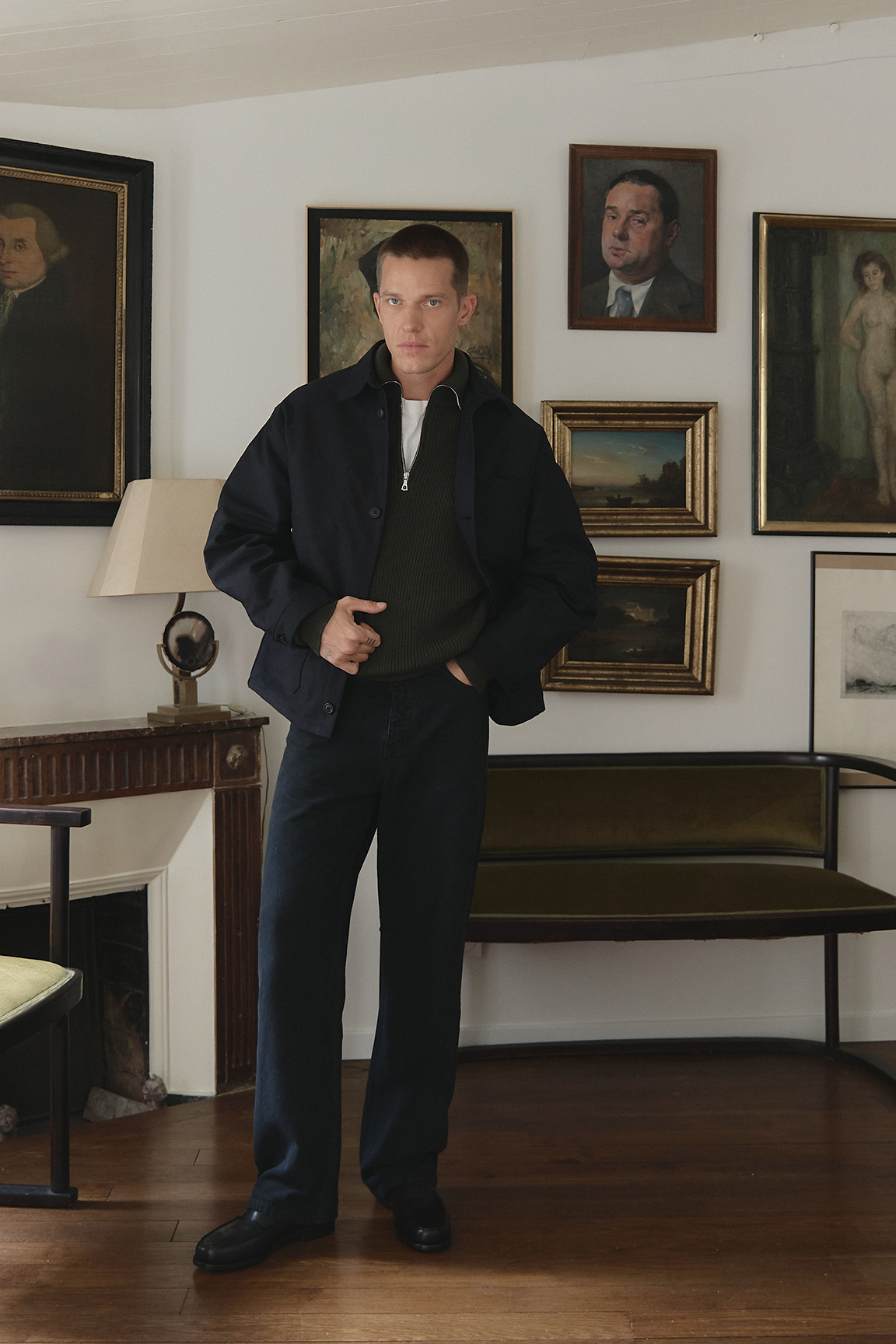
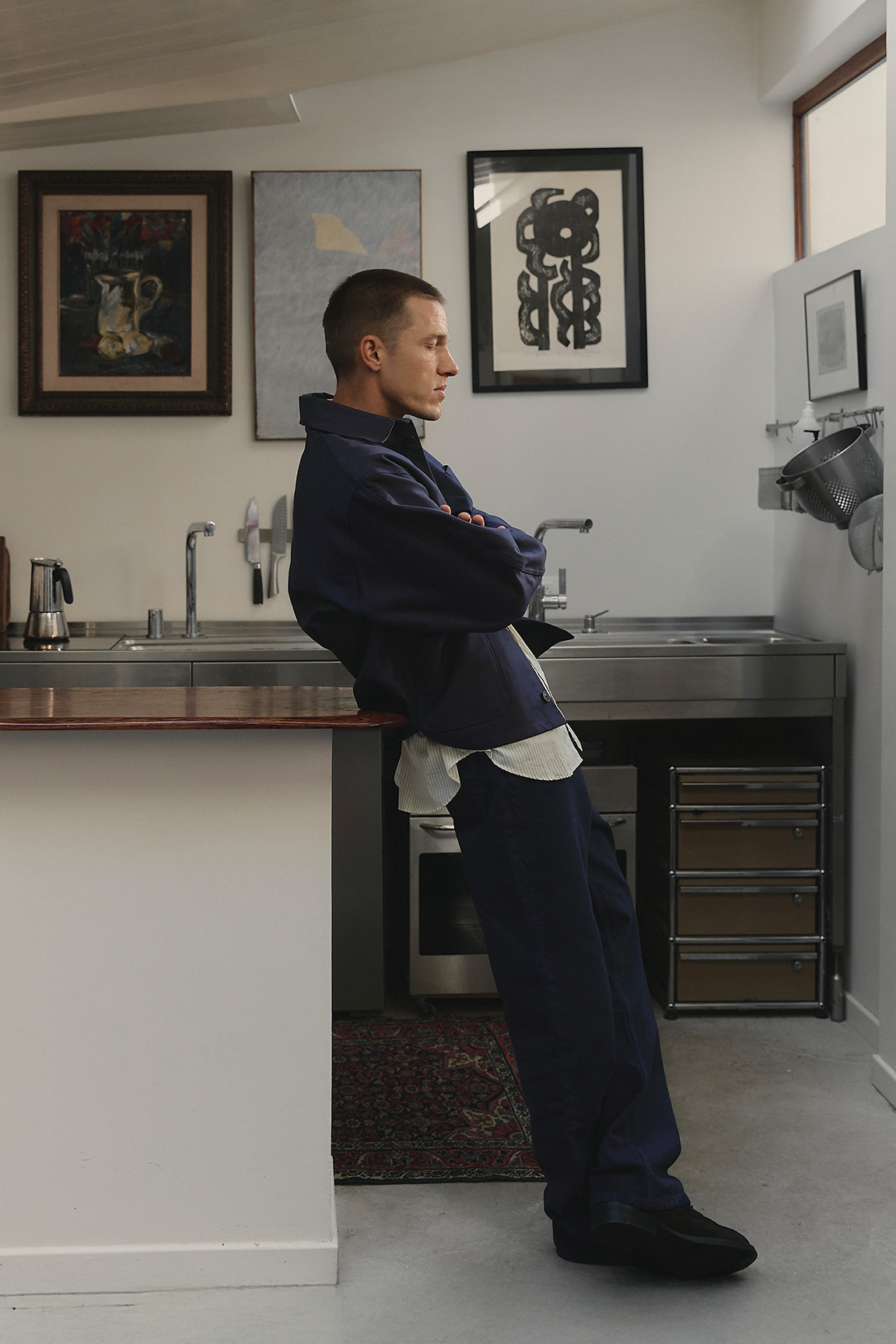
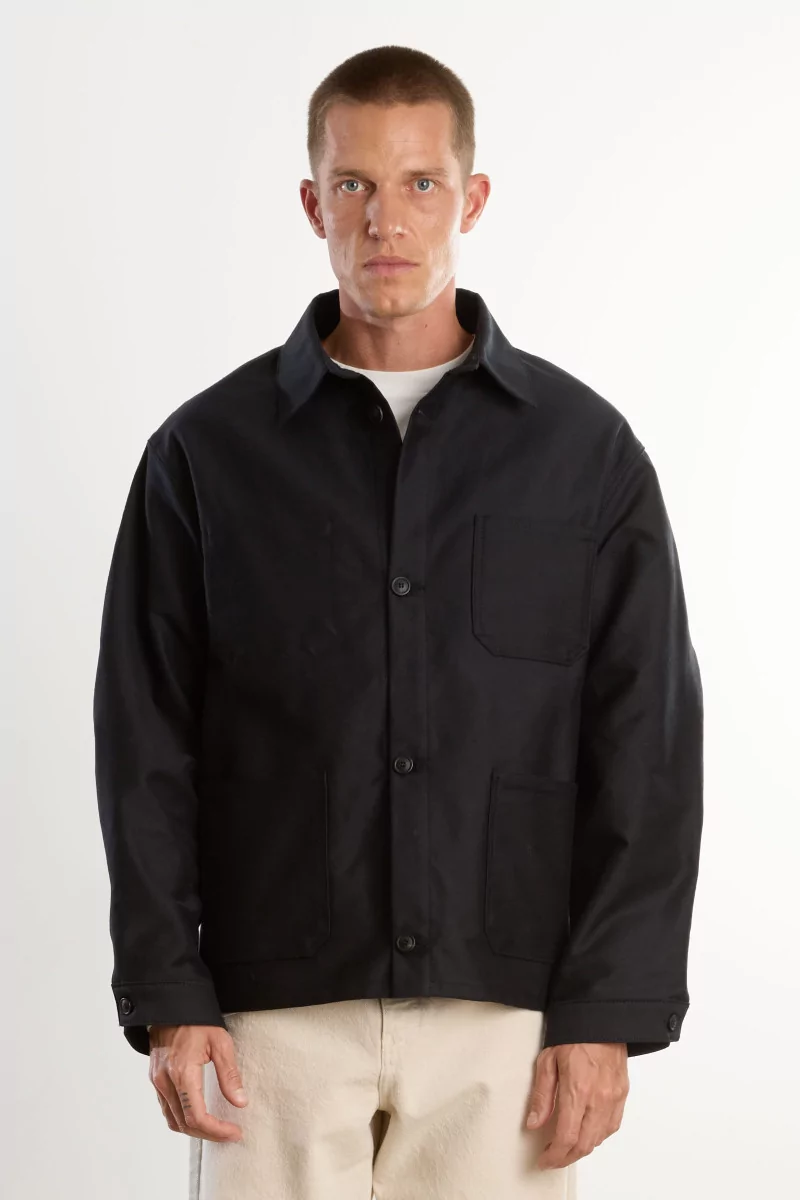
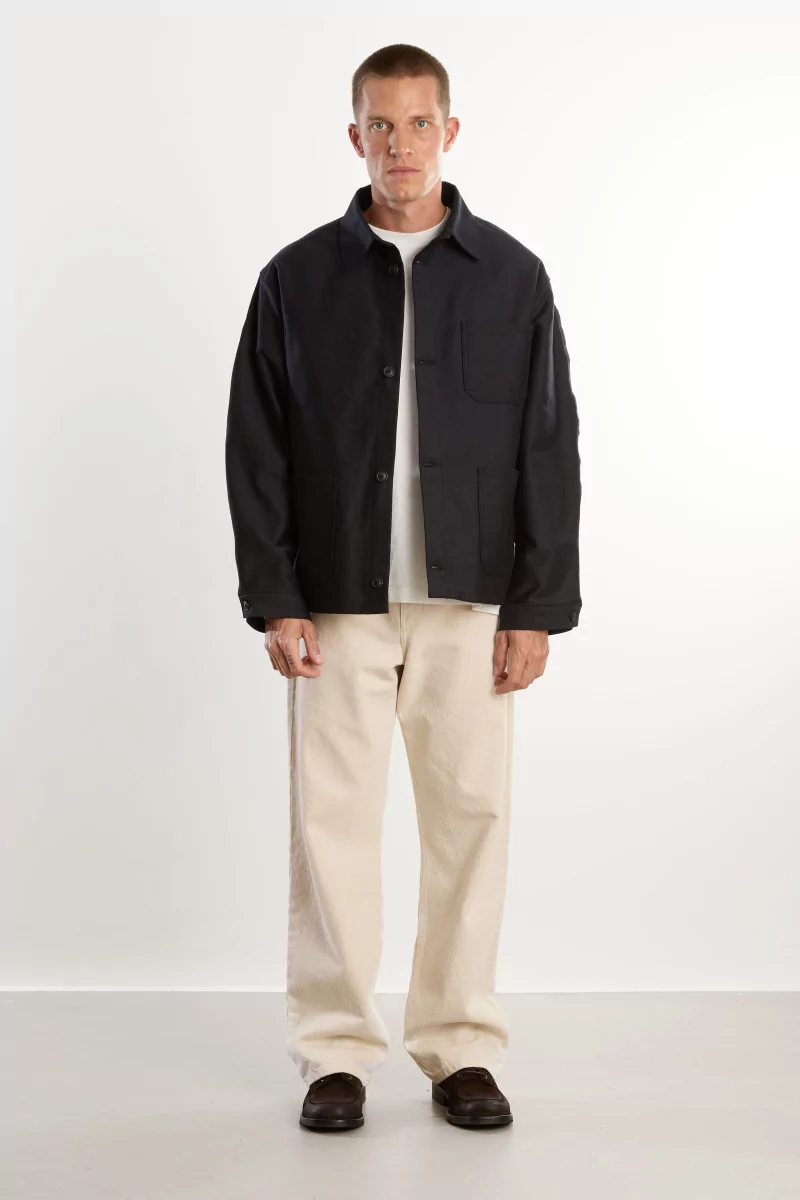
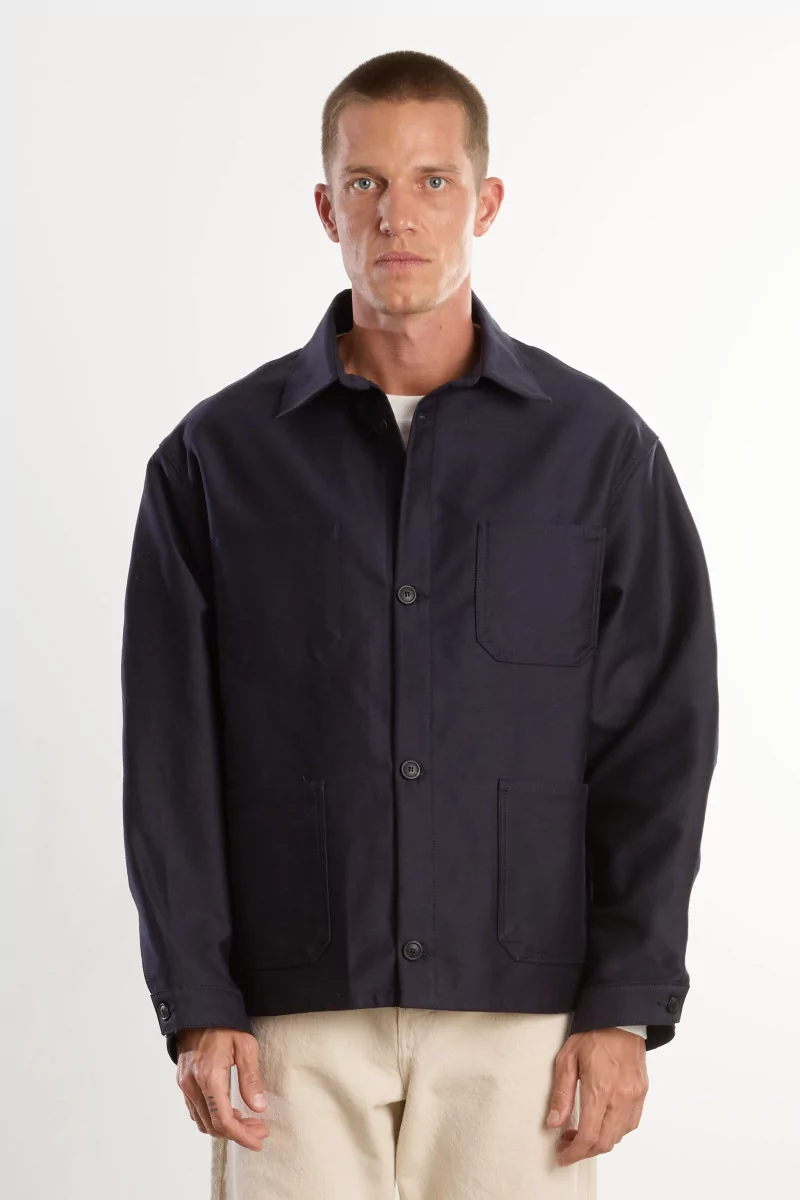
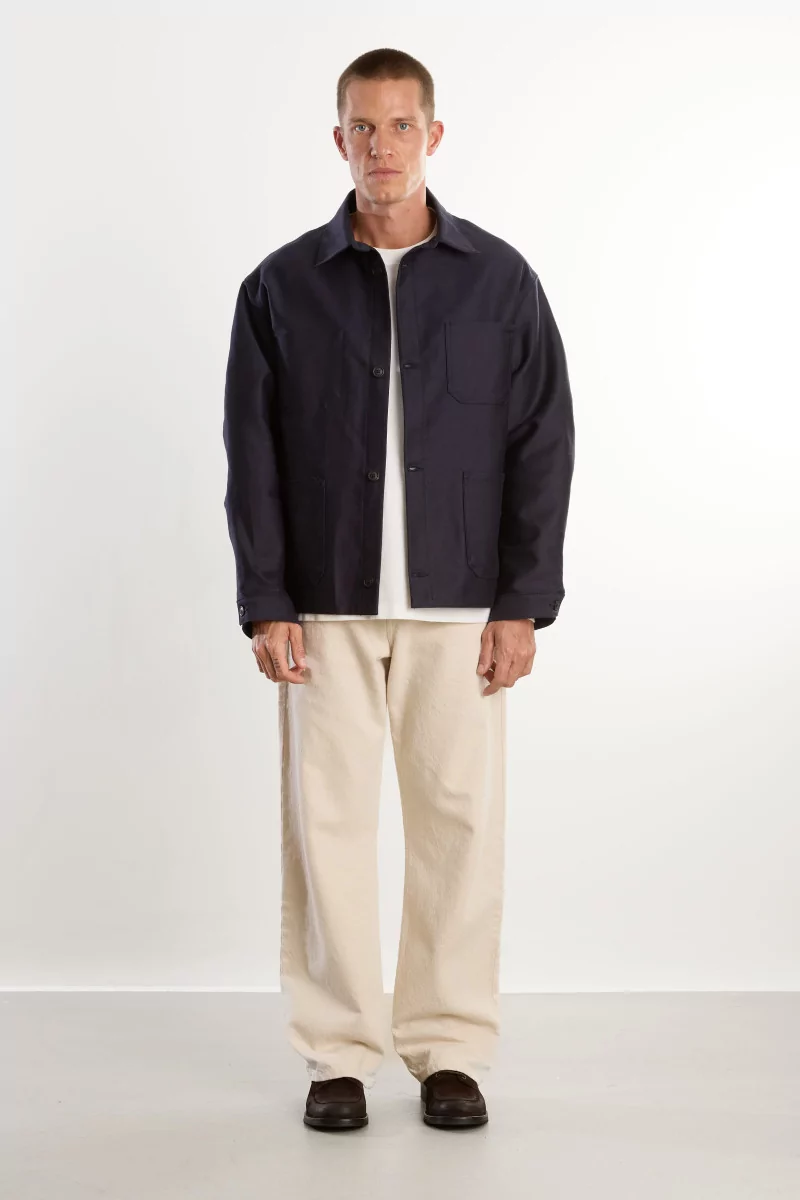
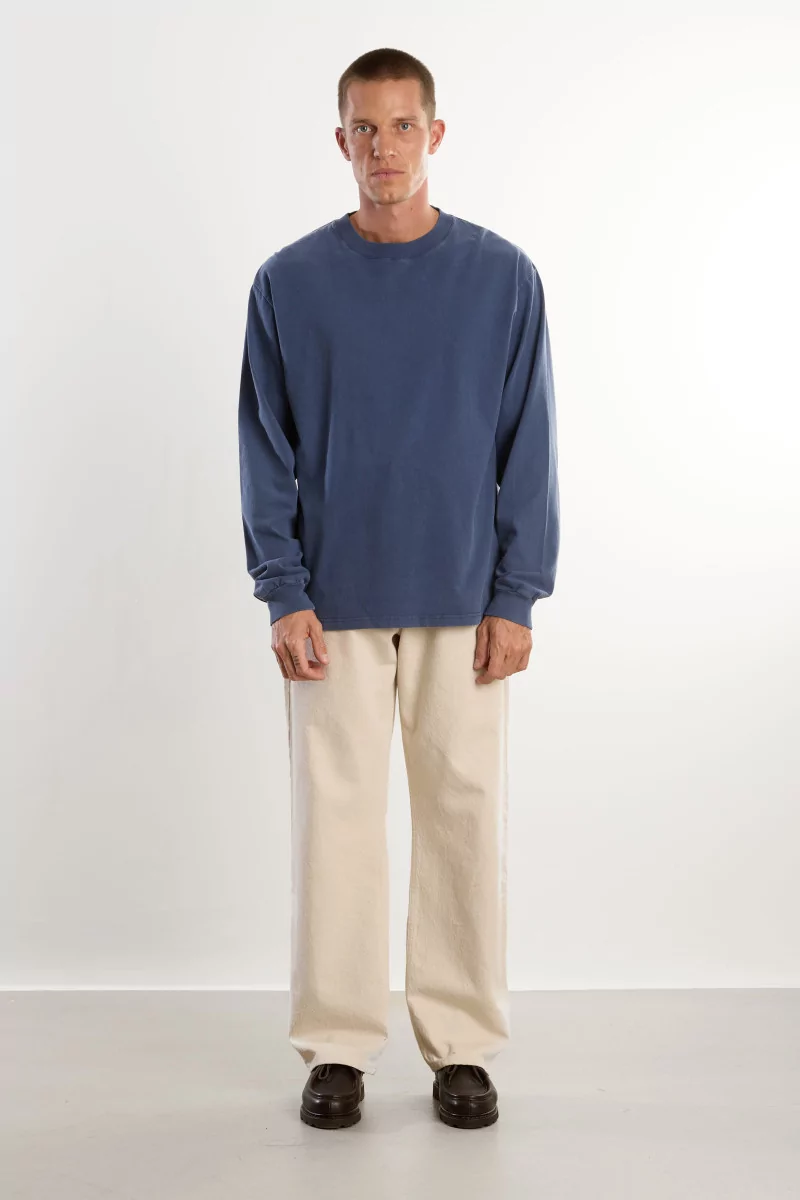
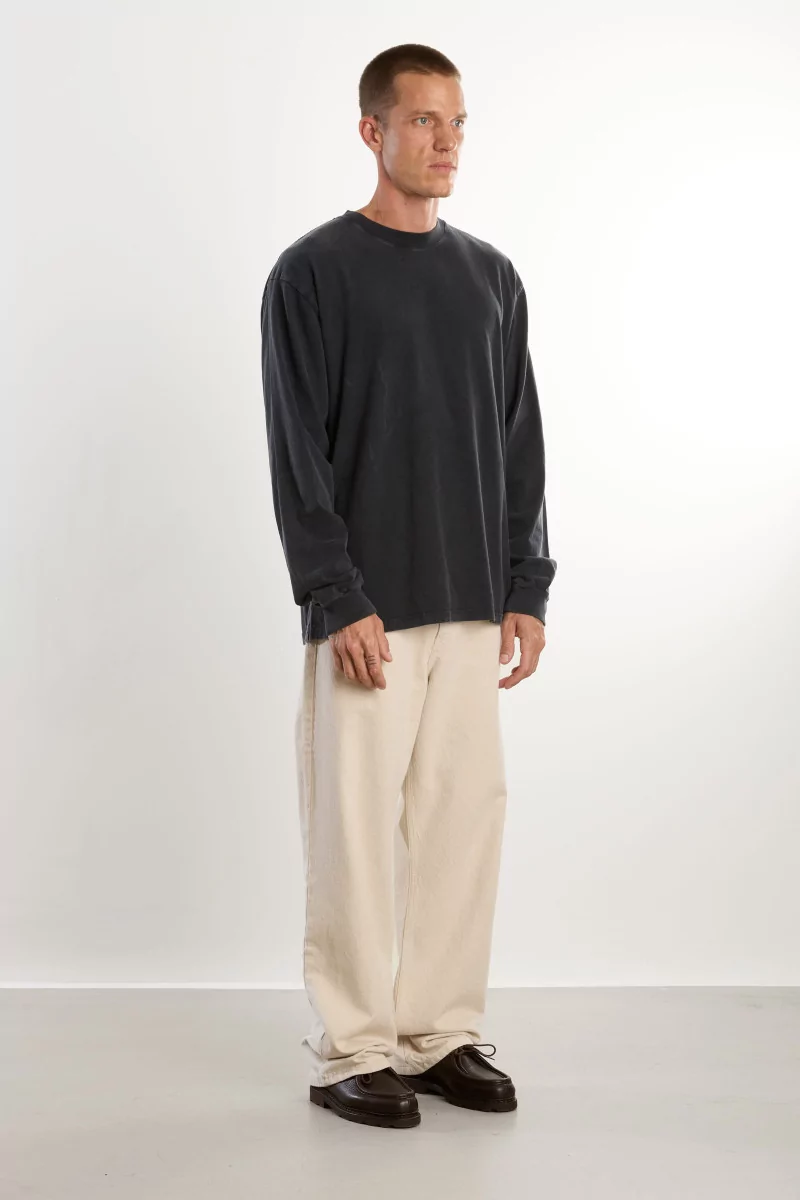
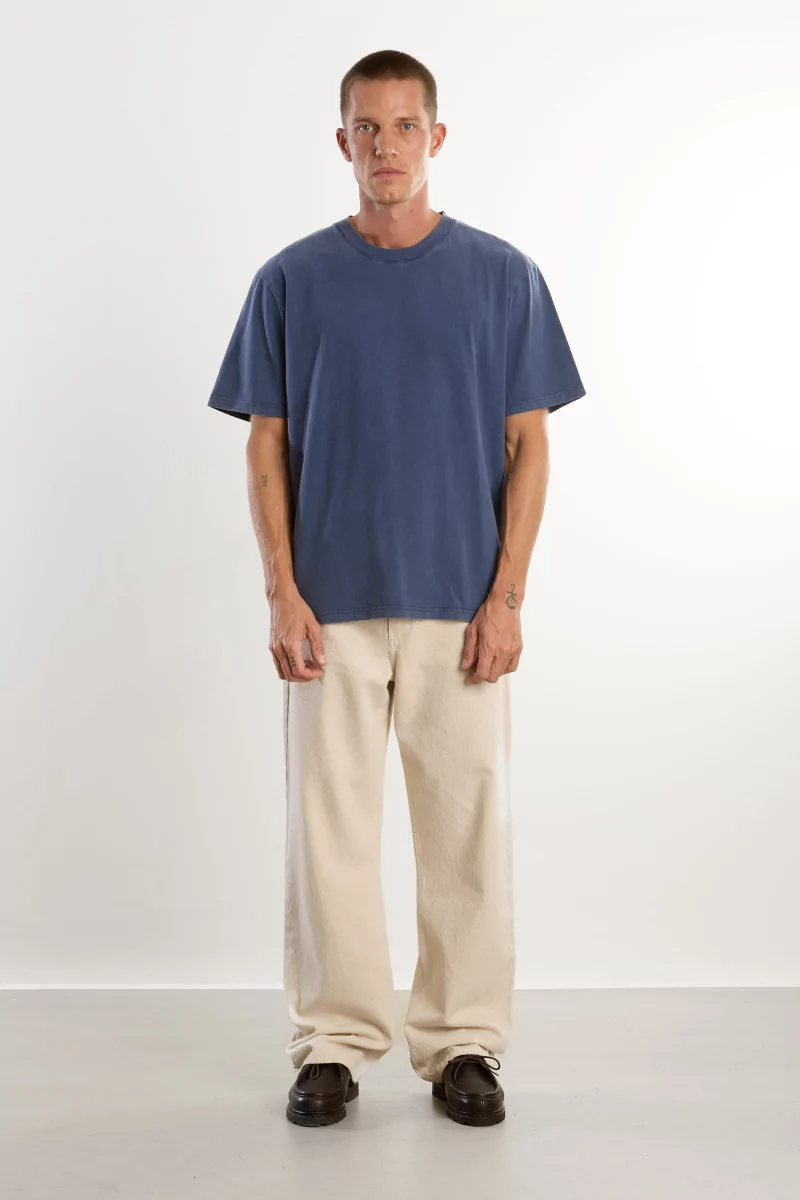
Centre Commercial is launching its own line of clothing made in France, featuring two jackets and trousers in four colours. Each piece is crafted at La Fabrique Pantin from moleskin woven in the Vosges.
To mark the launch, we spoke with Christophe Lepine, who heads the workshop, about his background in workwear, the choice of fabric and the techniques used to make our pieces.

How did you first discover workwear?
I started working in this field in 1998, as a production assistant for a Japanese company that manufactured its clothing in France. That’s where I first discovered these fabrics and construction techniques. I was also interested in vintage clothing and how garments were put together. That passion led me to launch Bleu de Paname in 2008, a French brand inspired by workwear, its fabrics and its cuts.
Your collaboration with La Fabrique Pantin also began in 2008. What does this relationship bring to the development of your garments?
We’ve made many things together over the years. With each project, relationships develop and you learn to understand how each person works.The workshop has the expertise and equipment suited to the garments I develop. Over time, I’ve gained a better understanding of its capabilities. This relationship allows us to think through the construction together and find the right solutions for each piece.
You chose a French moleskin for our jacket. What makes this fabric distinctive?
It’s a heavy, densely woven cotton fabric that I’ve worked with for a long time. The moleskin used for your pieces is woven in the Vosges. There are different types of moleskin. English moleskin has a more suede-like, velvety finish and a soft feel. French moleskin has a drier, flatter surface. It’s closely associated with the French work jacket and gives the garment a distinctive structure.

How did you begin working with weavers in the Vosges?
I discovered moleskin in the early 2000s. Through a textile engineer I met in Bordeaux, I was introduced to a weaver in the Vosges. The work then continued with other people. We stayed in touch and developed certain fabrics together. What interests me is working with people who know their craft and are open to developing new ideas. That relationship allows the fabrics to evolve from one project to the next.
What does it take to produce such a dense fabric?
You have to adapt the pace of production. Moleskin needs to be woven more slowly: its structure doesn’t allow you to work at the same speed as with other fabrics. Its density also affects the dyeing process. You need to give the colour time to penetrate the fibres properly. The fabric has its own constraints, and you need to understand them to achieve the result you’re looking for.
Once the fabric arrives in Pantin, how does the workshop’s expertise come into play?
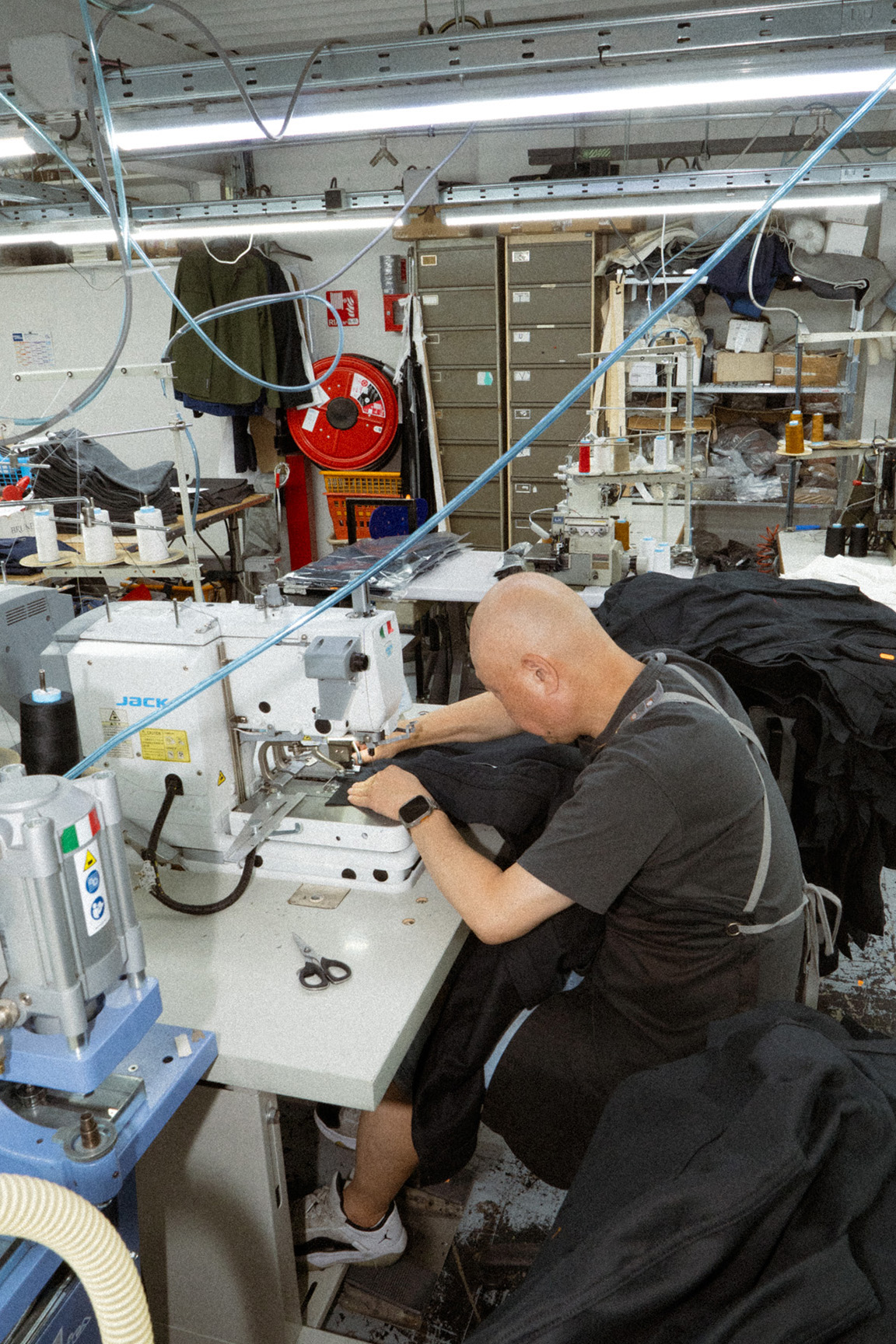
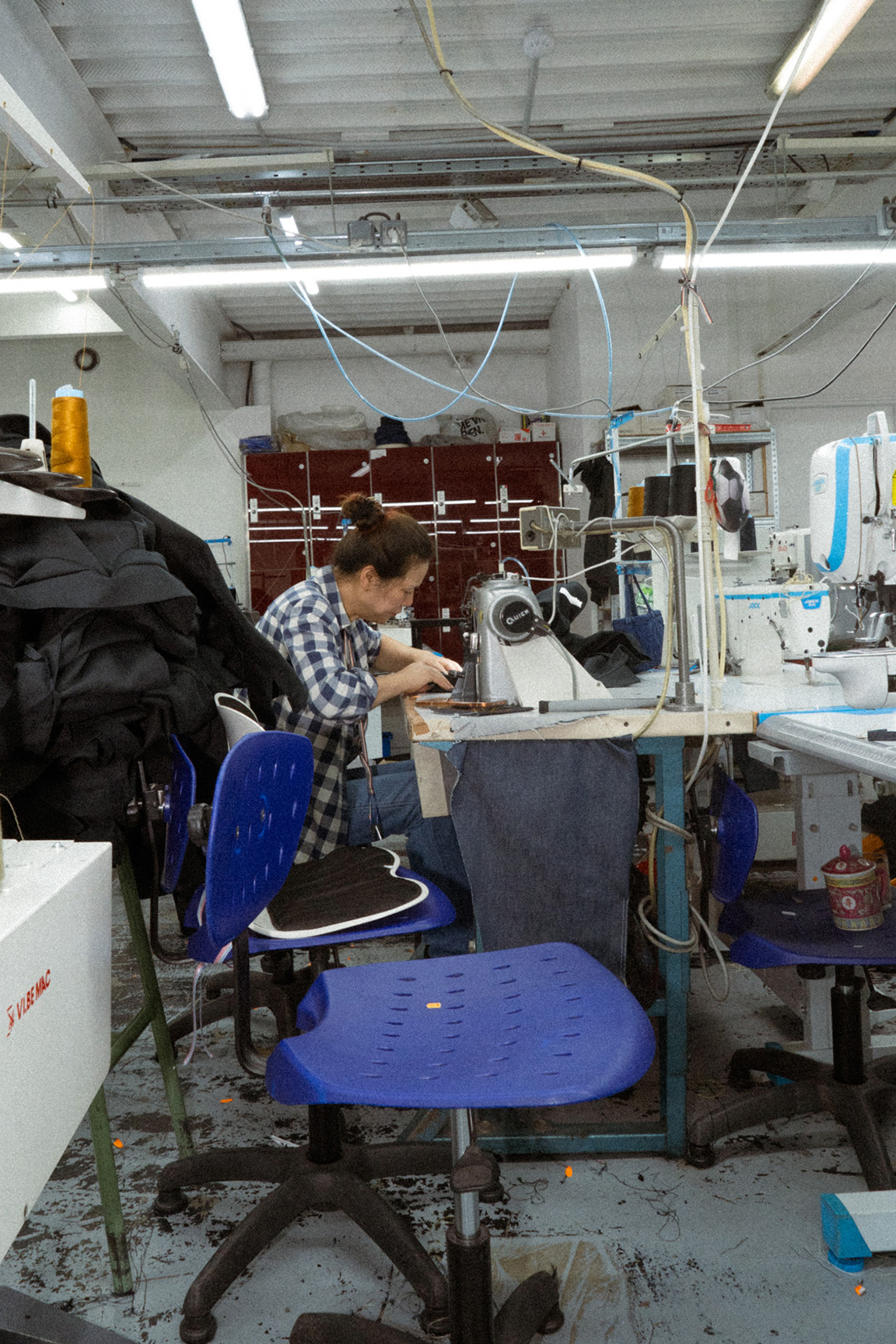
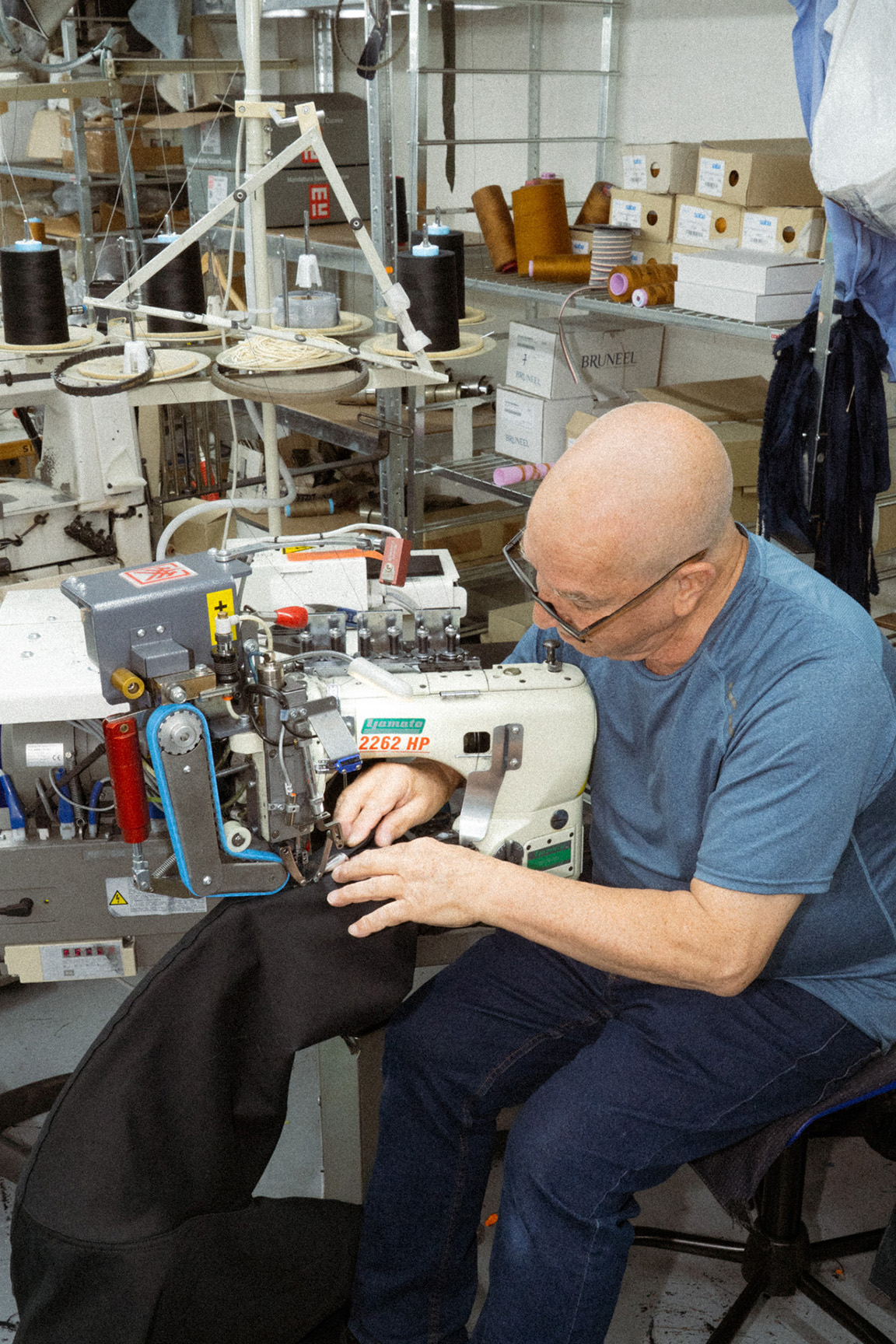
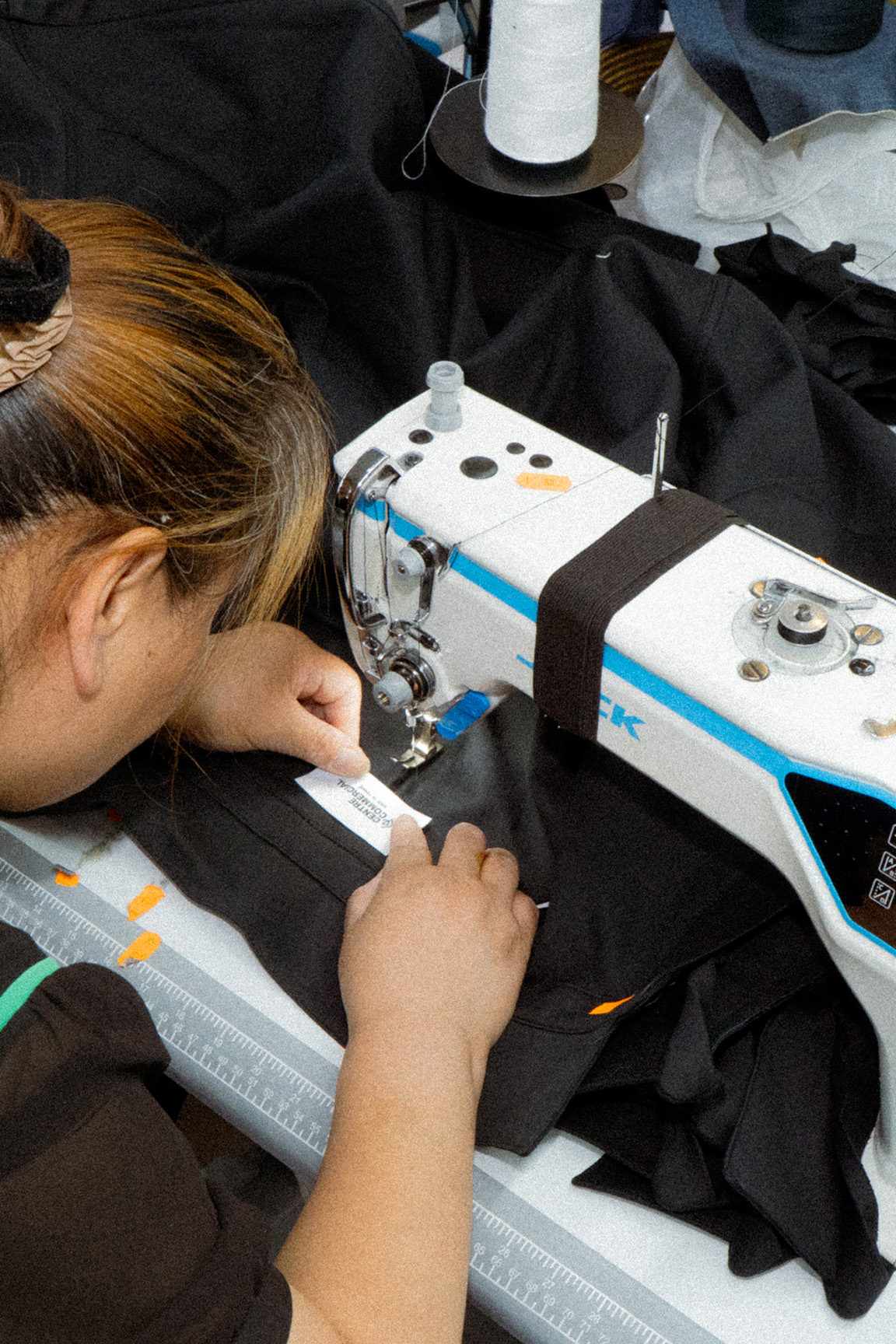
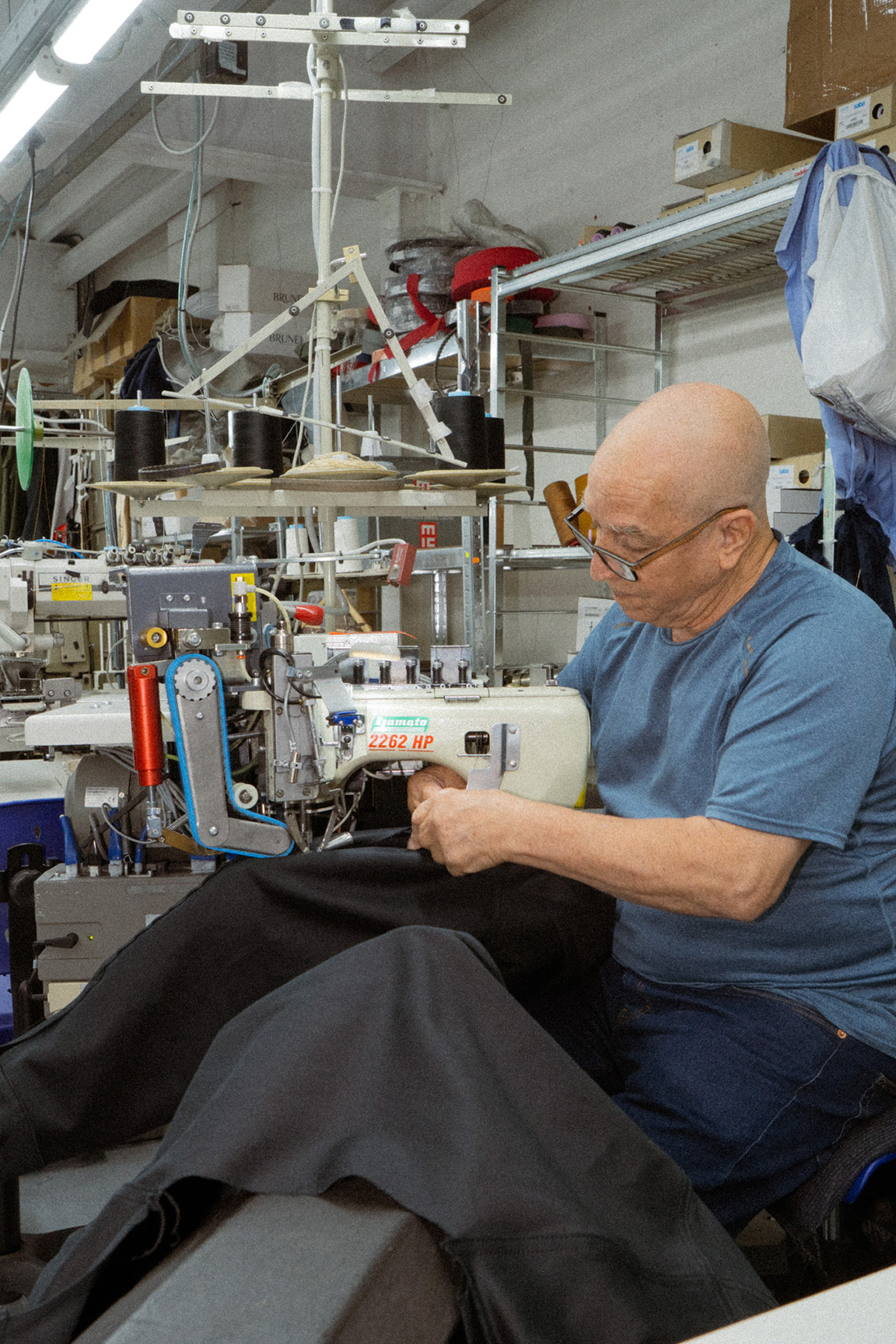
La Fabrique Pantin has equipment specifically suited to workwear. Each stage of construction requires a method adapted to the fabric and the shape of the garment. You have to prepare each operation, adjust the machines and check the result. That experience allows us to handle the fabric precisely and achieve consistent construction across all the pieces.

During our visit, we saw the lower pockets of our jacket being made. How does this process work?
With this machine, we carry out two operations: we shape the pocket, then stitch it onto the garment. These steps used to be done separately. The workshop adapts the tooling and sewing programme to the dimensions of the pocket. Its positioning also needs to be adjusted precisely so that the pockets sit symmetrically on the jacket. Once everything is set up, the operator monitors the thread and makes sure the process runs smoothly.
Why continue developing work jackets today?
Work jackets appeal to brands in many countries. We receive requests from Japanese, Danish and Swedish brands, among others, for this type of garment. What draws them in is a particular way of working: the fabrics, the construction techniques and this French approach to workwear. Moleskin and the work jacket have an important place in that history.
How does our jacket fit into this approach?
There is a French language of workwear, just as there is a Japanese or an American one. The moleskin jacket is one expression of it. For your pieces, the fabric is woven in France and the garments are made in a workshop equipped for this type of clothing. The fabric and the way it is worked go hand in hand. That’s the consistency I aim to achieve.