Add to cart
Cart
Total: €0.00
Excluding shipping costs
Free shipping: France from €100, Europe from €150, international from €200
Free shipping: France from €100, Europe from €150, international from €200
Sign up to our newsletter and get 10% off your 1st order
Sign up to our newsletter and get 10% off your 1st order

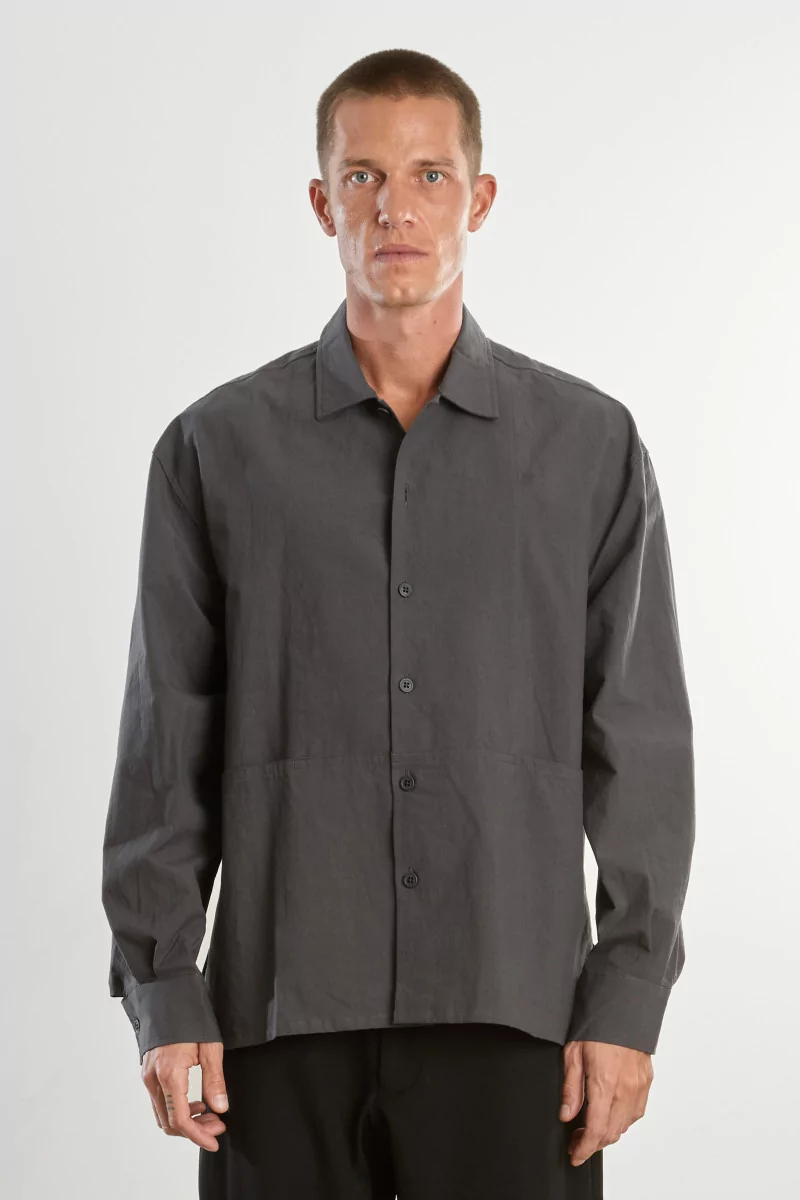
Launched in 2015 by Aida Kim and Larz Harry, the brand Man-Tle was born in Japan around a simple starting point: developing a single fabric with a local mill. From there, the project gradually evolved into a full wardrobe built piece by piece, guided by materials, construction and long-standing relationships with specialised Japanese manufacturers.
In this conversation, Aida and Larz look back at the early days of the brand, their approach to developing original textiles, and the way Man–Tle continues to grow while remaining rooted in the same process: starting with the fabric, then building everything around it.

What brought you together to create Mantle?
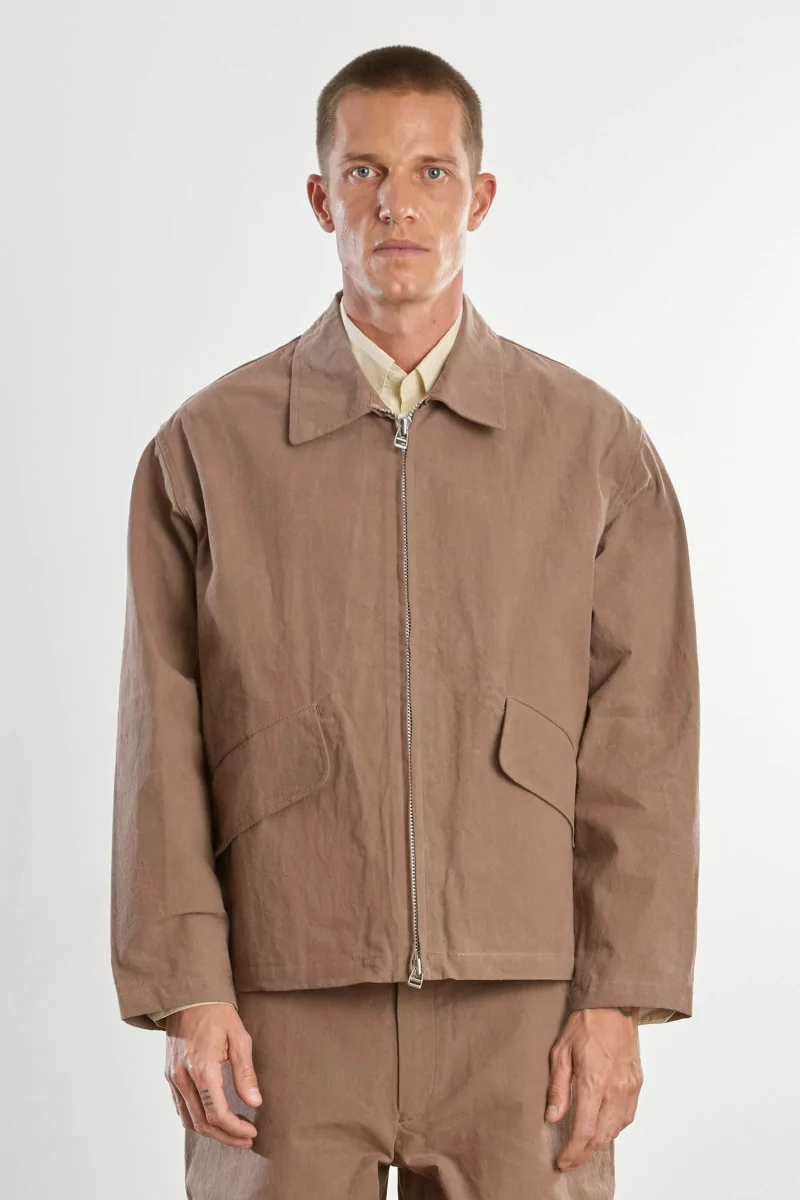
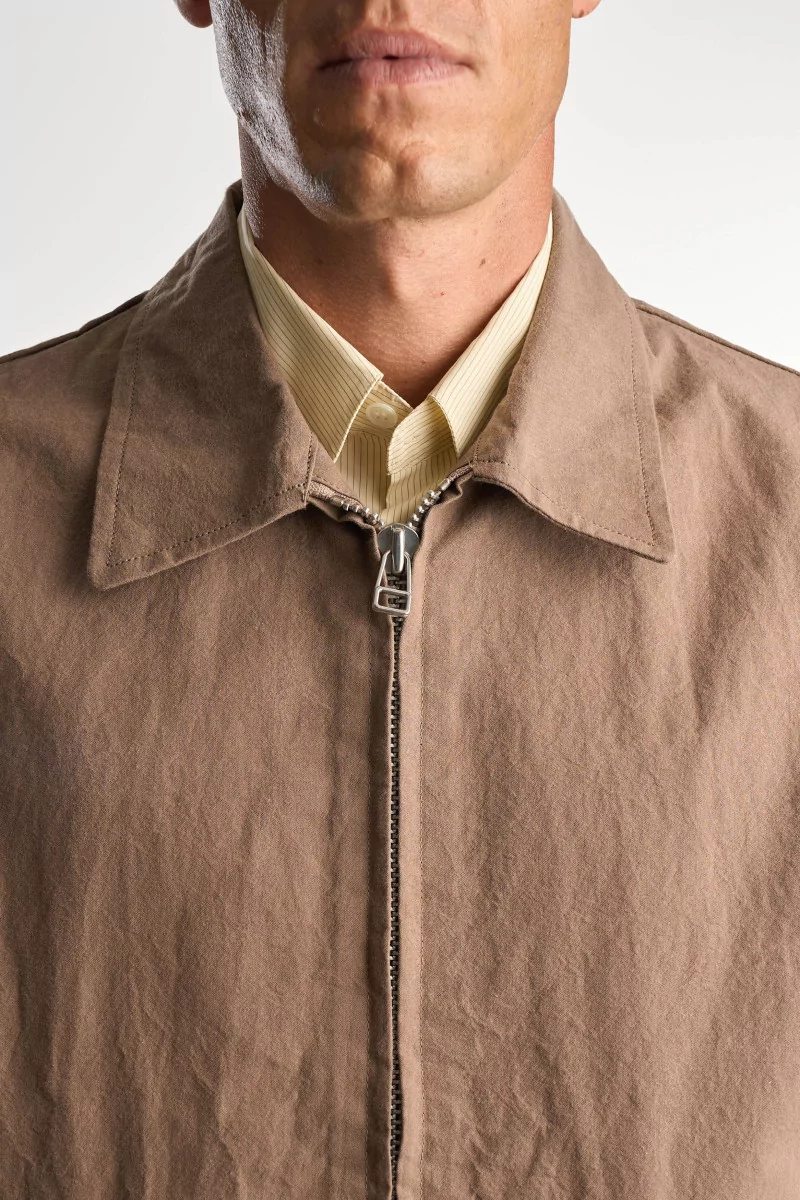
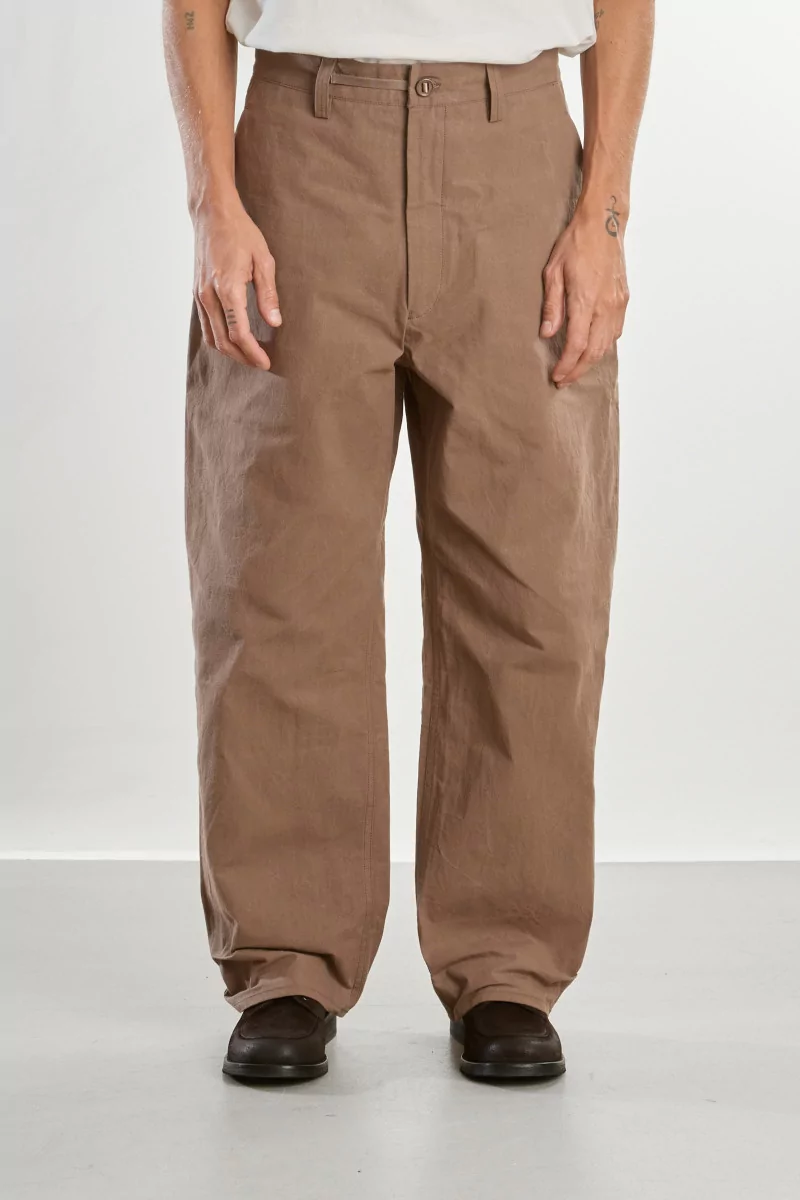
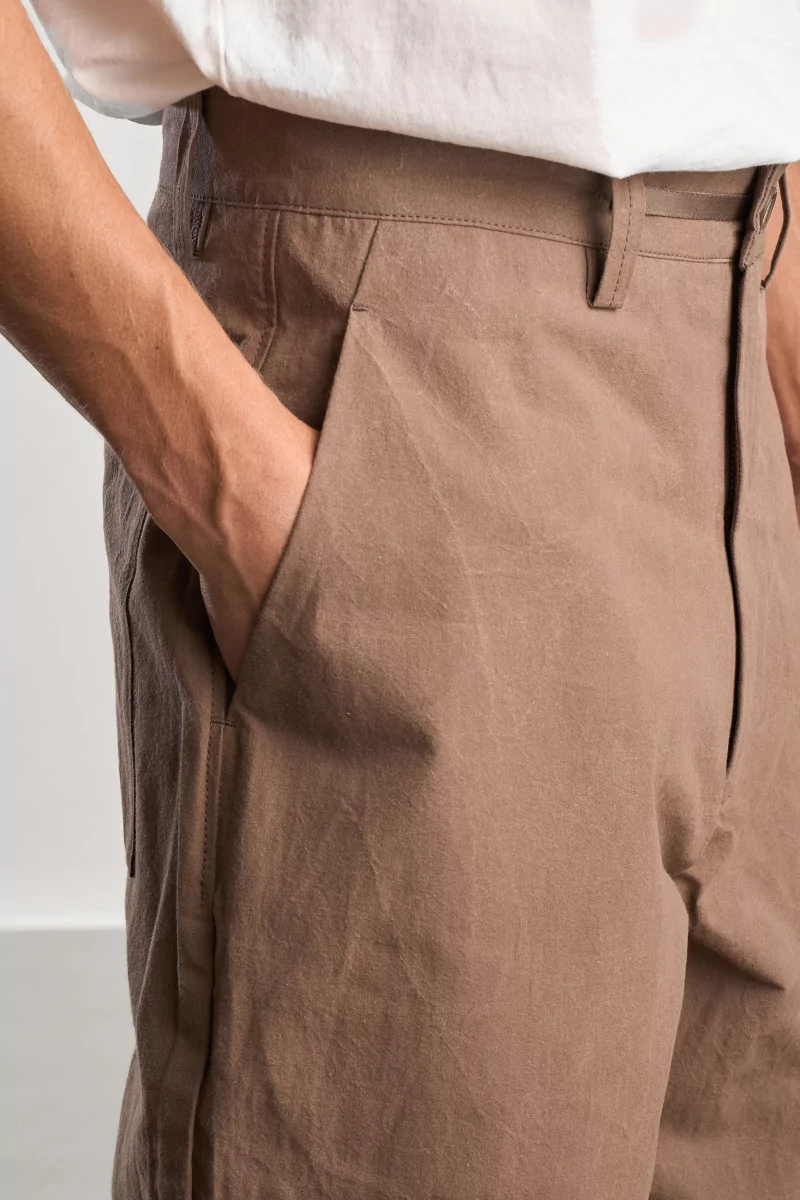
Larz : We were both living in Japan when we started the brand. It all began with one fabric. In 2015, we developed an original textile with a factory, with the idea of creating hard-wearing overshirts. Color was essential from the beginning. Strong, direct tones. The first collection was very straightforward: three colors, three shirts, three pairs of trousers. Everything was based on wax fabric, heavy cotton woven on old wooden shuttle looms from the 1960s.
Were you already working in fashion before Mantle?
Larz : Yes, we met at Comme des Garçons. I was based in London at Dover Street Market before being transferred to Japan were I had a marketing job.
Aida : I grew up in Korea and studied photography in Japan. I was first working for Comme des Garçons as a visual merchandiser and then they moved me to Dover Street Market as a brand manager.
How did you discover Japanese craftsmanship?
Larz : We always had an interest in textiles. Very organically. We started with one factory, which introduced us to other workshops, and then more.
Aida : We never set out to build a “made in Japan” brand. It happened very naturally. The fabric, the contacts, everything happened because we were already there. In Japan, the level of craftsmanship is naturally very high. It’s a promise of quality.

Can you explain the process of developing the brand ?
Larz : The first seasons were very repetitive. Always the same structure: three colors, shirts and trousers. From the third collection onwards, we started developing new fabrics. Our approach hasn’t changed: find a material, then build from there. Sometimes we start from an existing shape and look for a new material to evolve it.
Aida : In terms of popularity, when we started we had a network of shops as we were both working at Dover Street Market. Naturally we showed our collection in Tokyo and it kind of grew from that. We started coming to Paris after COVID. We opened a store in Perth, Australia in 2019, it really helped us to understand our customer, so the collection got stronger as a result.
Where does the name Man-tle come from?
Larz : It comes from the Earth’s mantle, the dense layer between the crust and the core. We work a lot with dense textiles, so it made sense. There’s also “man” and “tool” in the word, which reflects our approach to clothing.

Can you explain the production process of a piece, for example a down jacket?
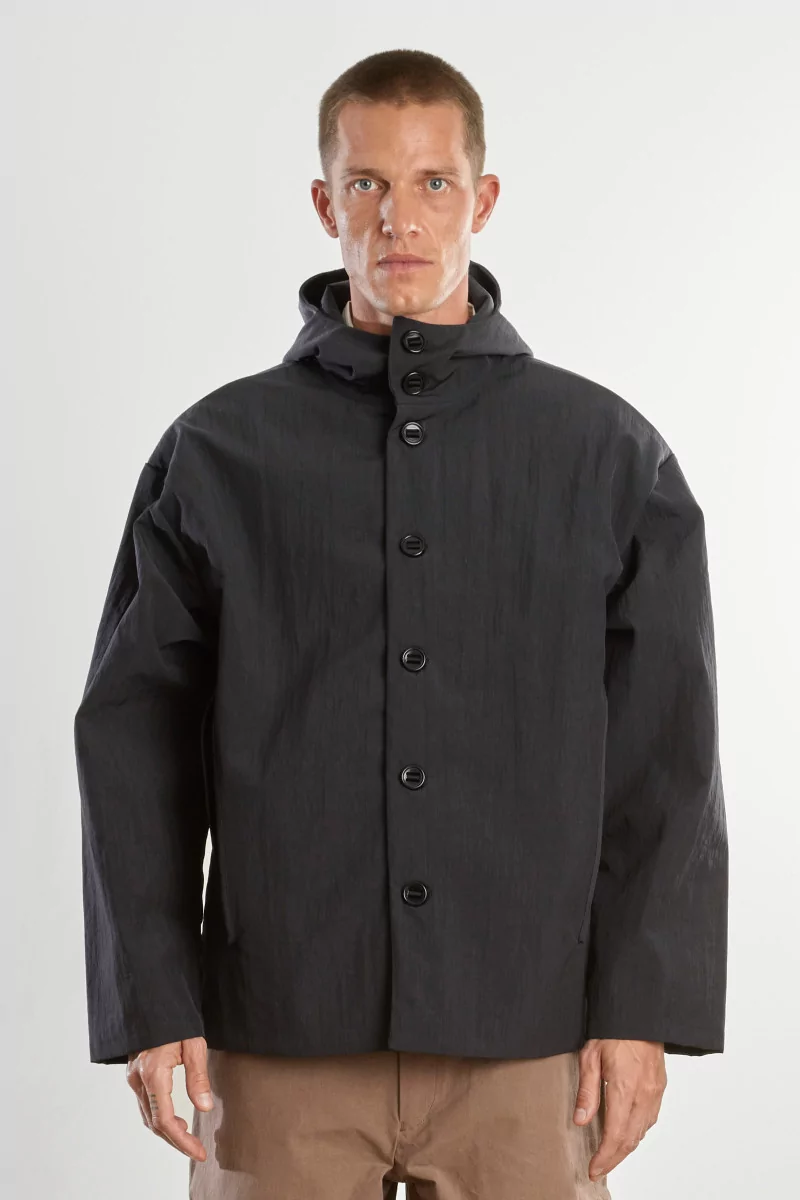
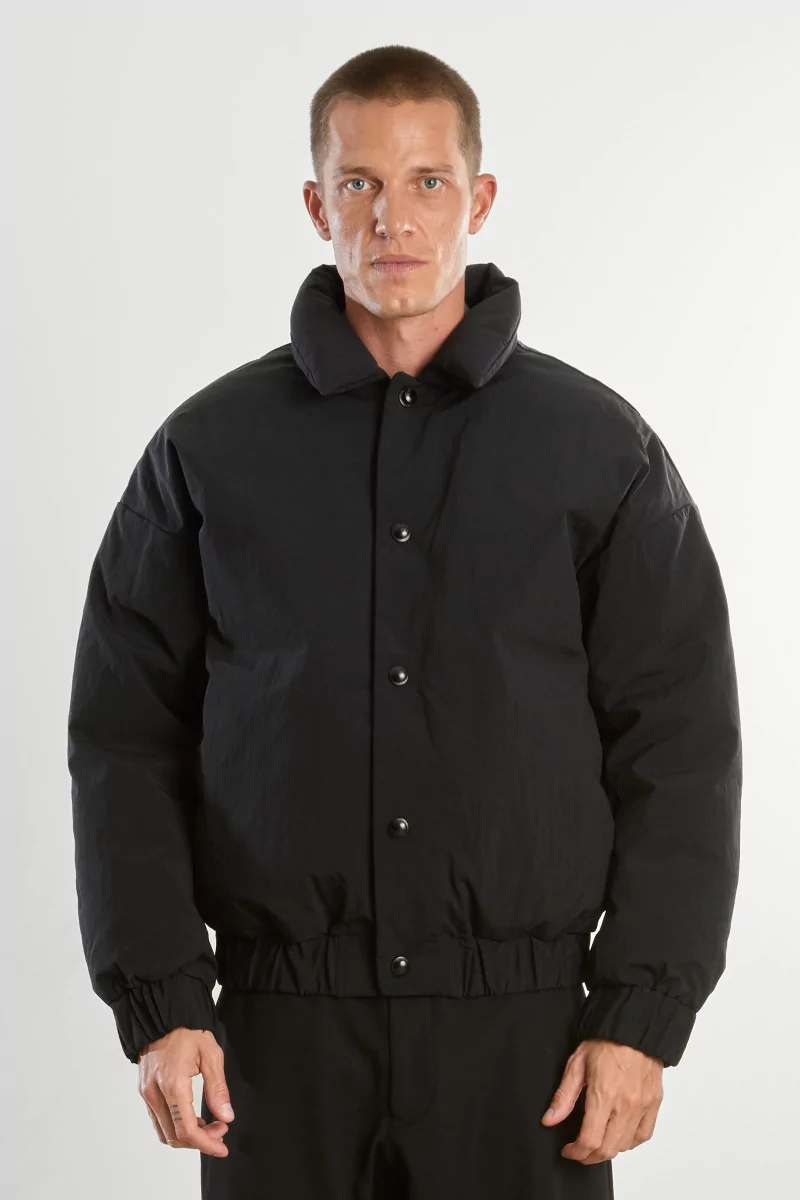
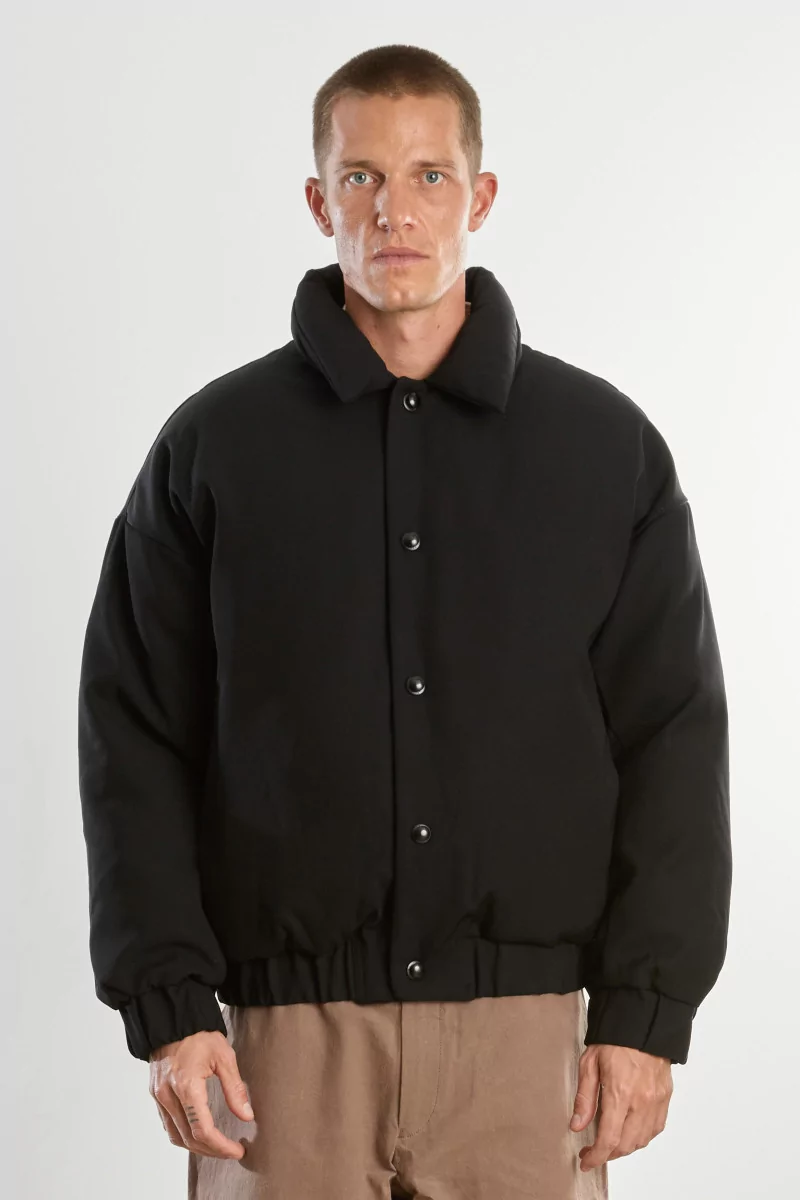
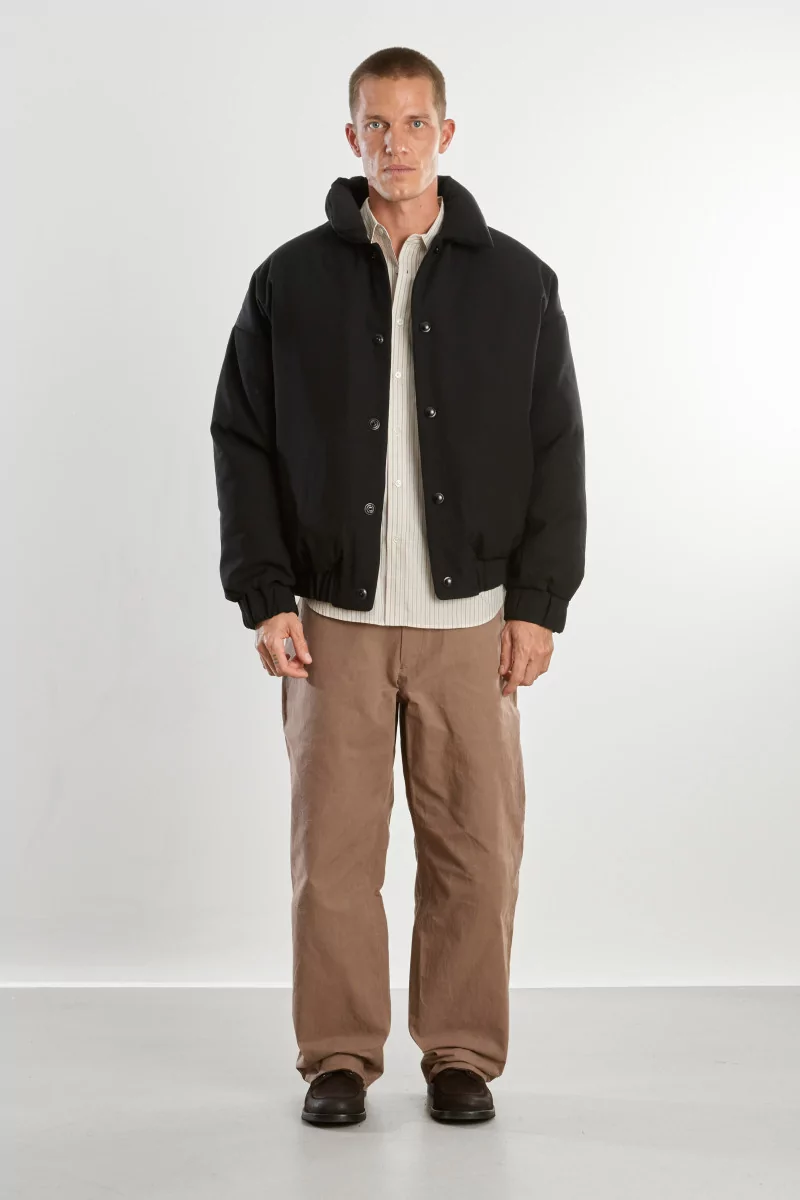
Larz : The down jacket is a key piece for us. It’s often made using our original waxed fabric and filled with goose down from Hungary. The down is then cleaned in Japan without bleaching agents. Unlike standard down, it keeps its natural grey colour, which we chose to reveal through a transparent lining.
Aida : We don’t think in terms of collections. There’s no theme, no overarching starting point. We work piece by piece. One product, then another, then another. In the end, it becomes a collection.
We took a lot of time to think about what makes Man-tle unique, we don’t think that it should be just one thing. It can be the fabric, a silhouette, hardware or it can be the combination. That’s why we always design our pieces individually.
Caps are also very popular. How did they come about?
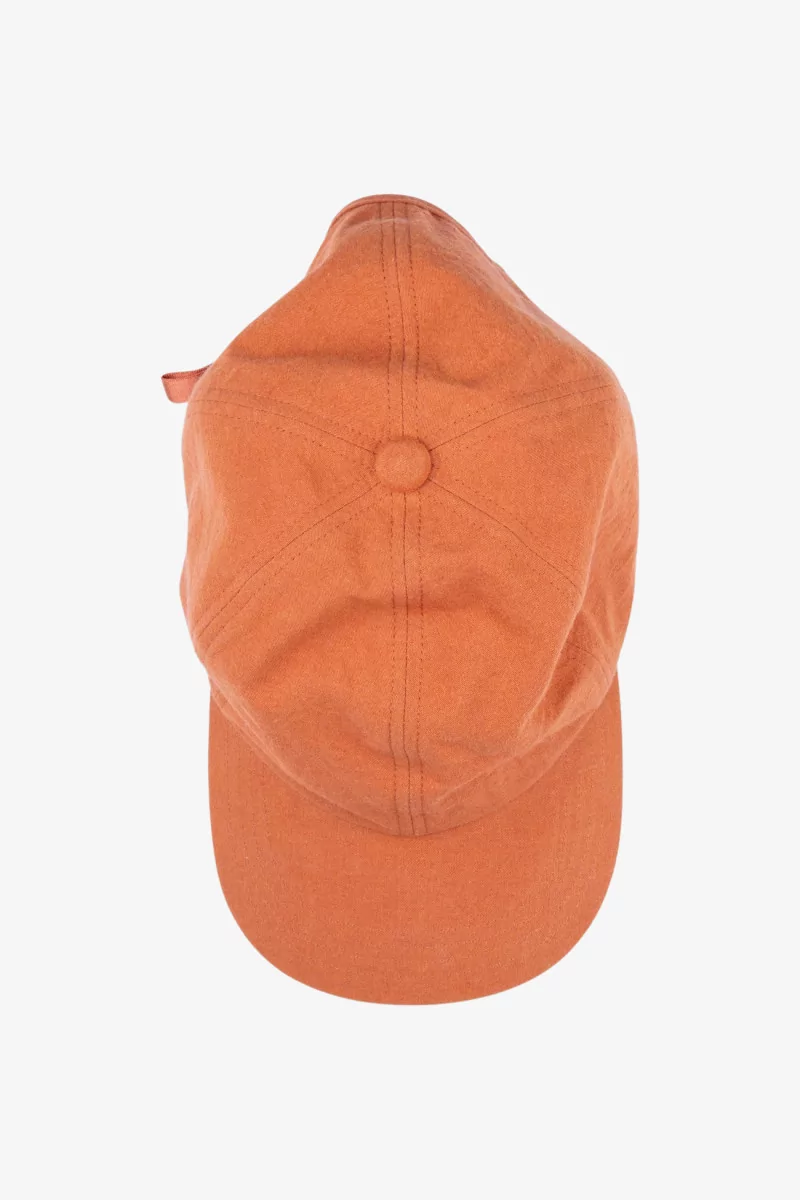
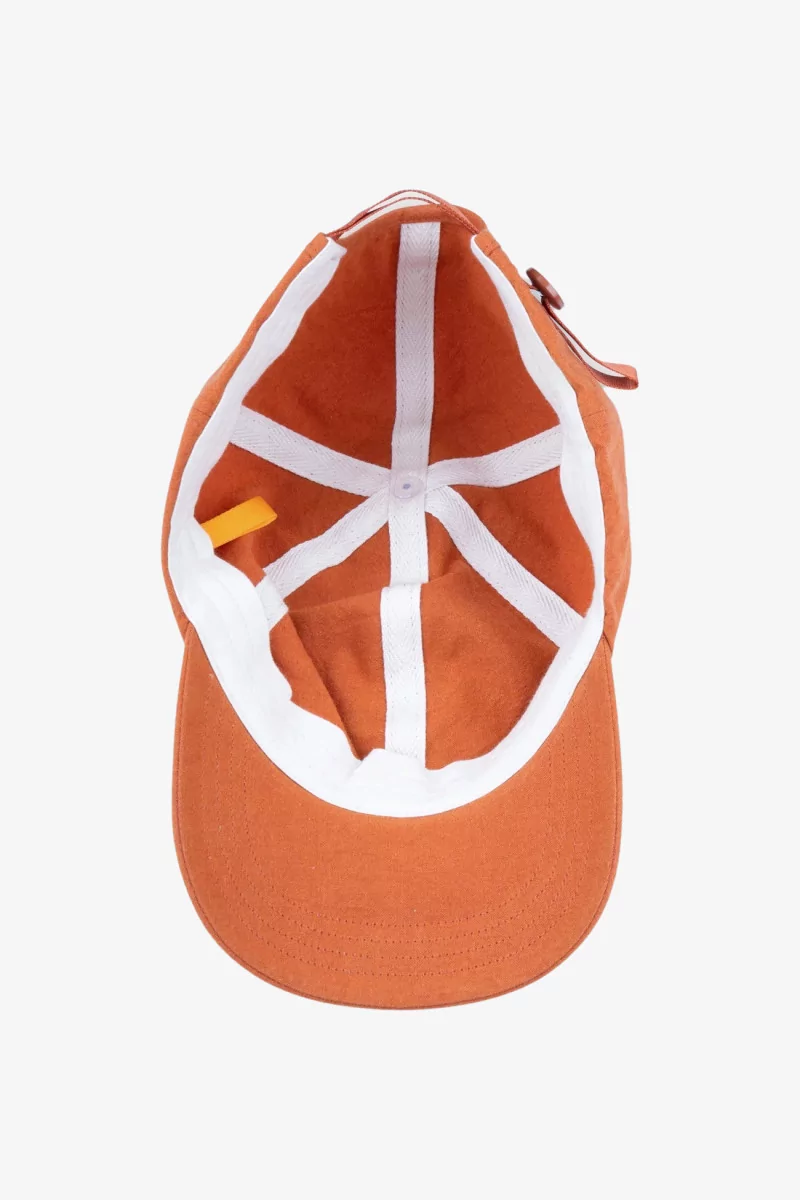
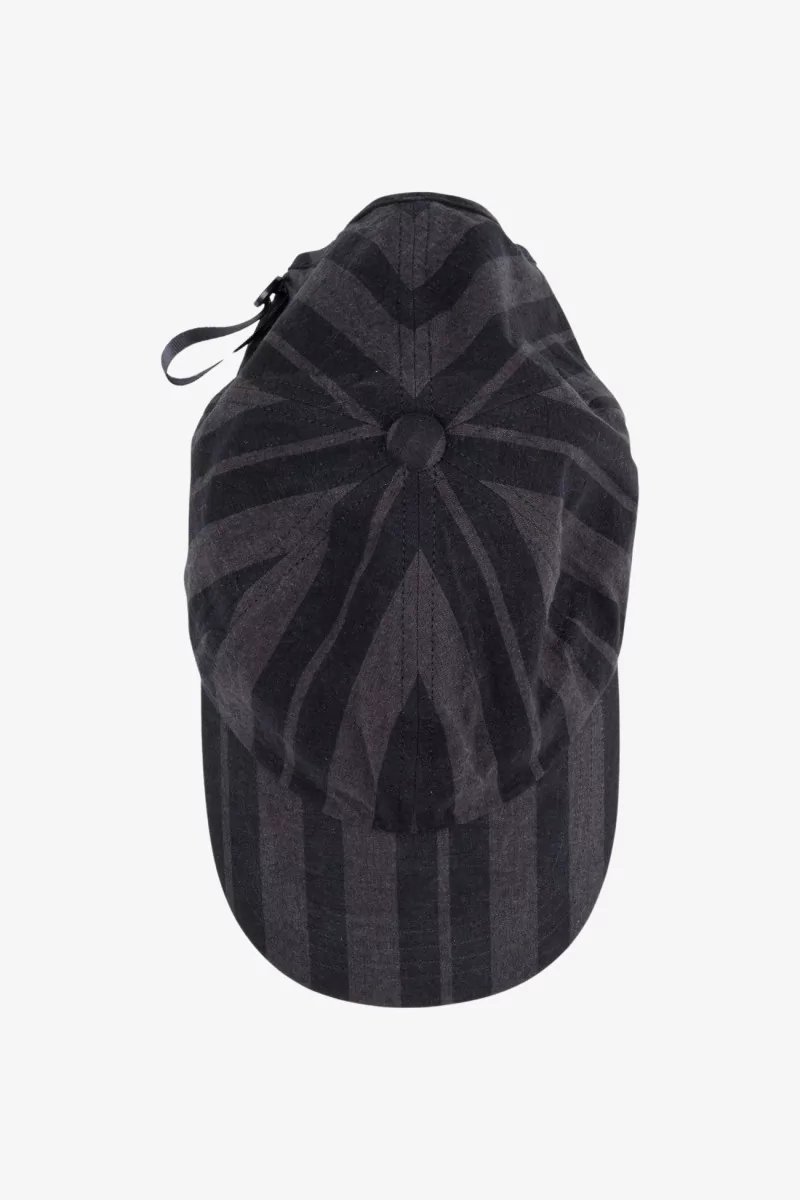
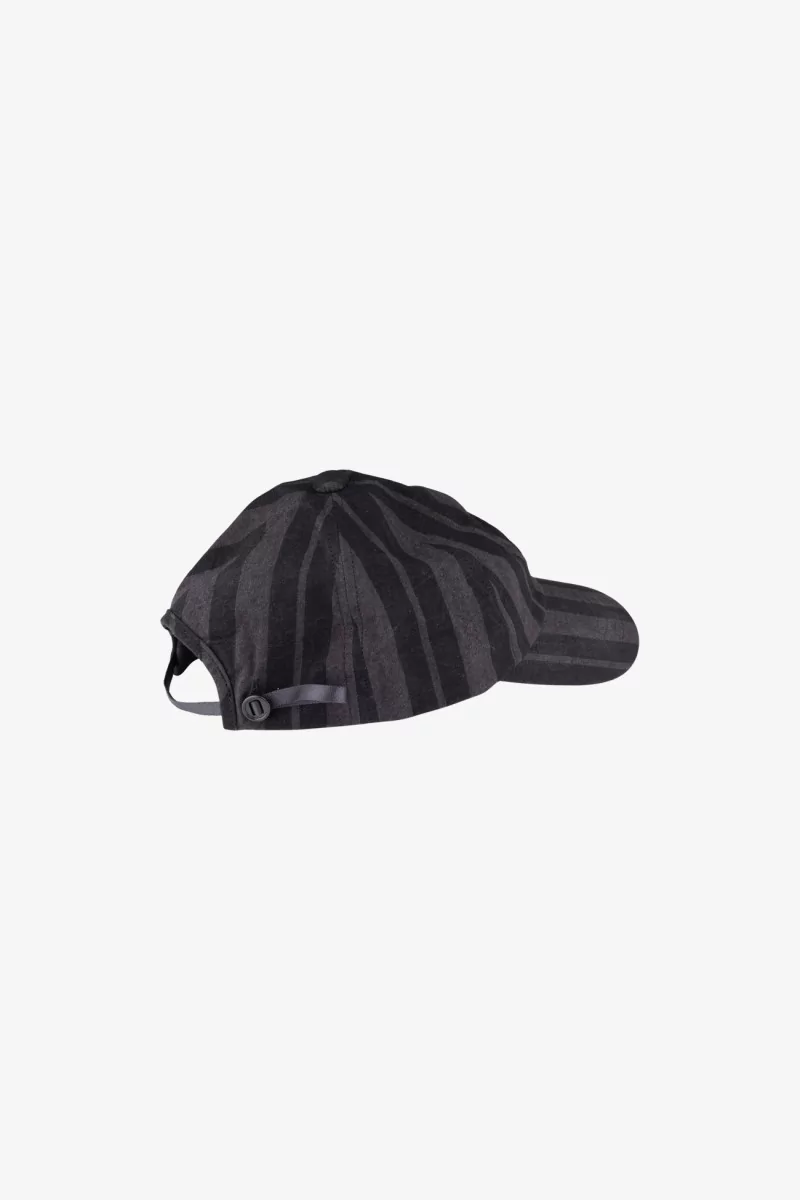
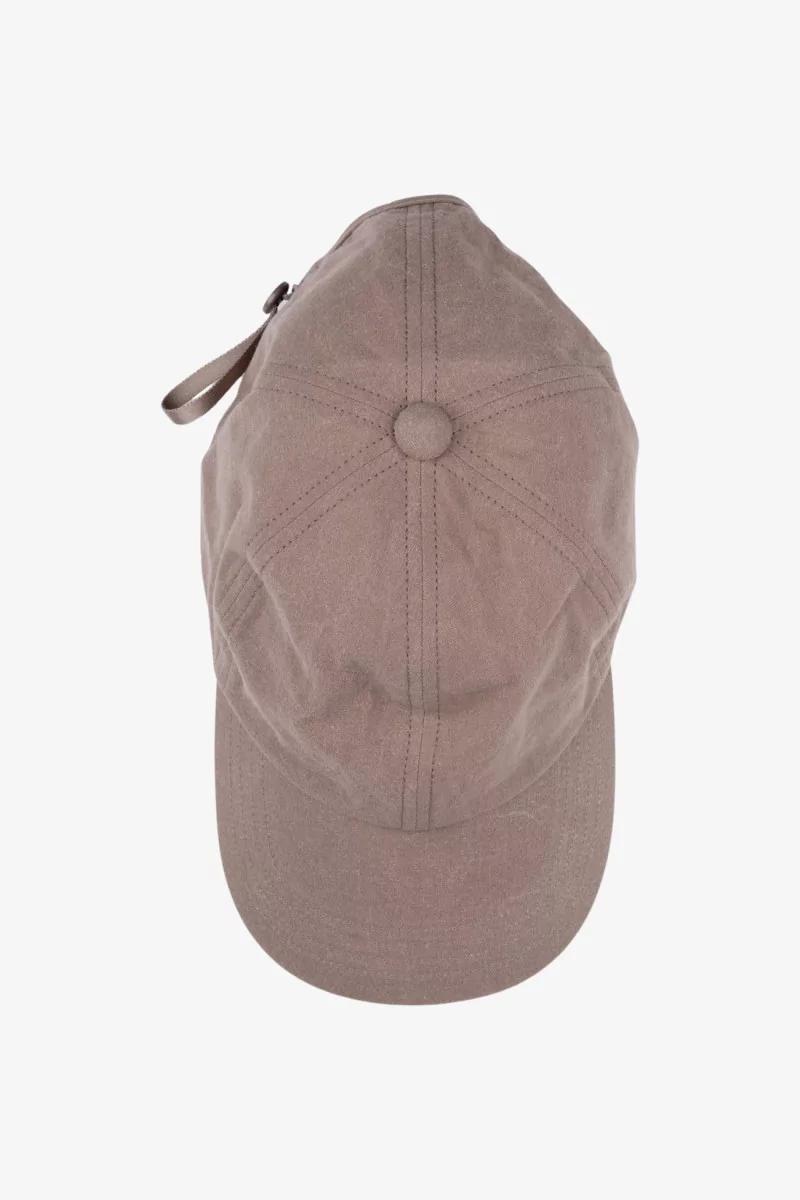
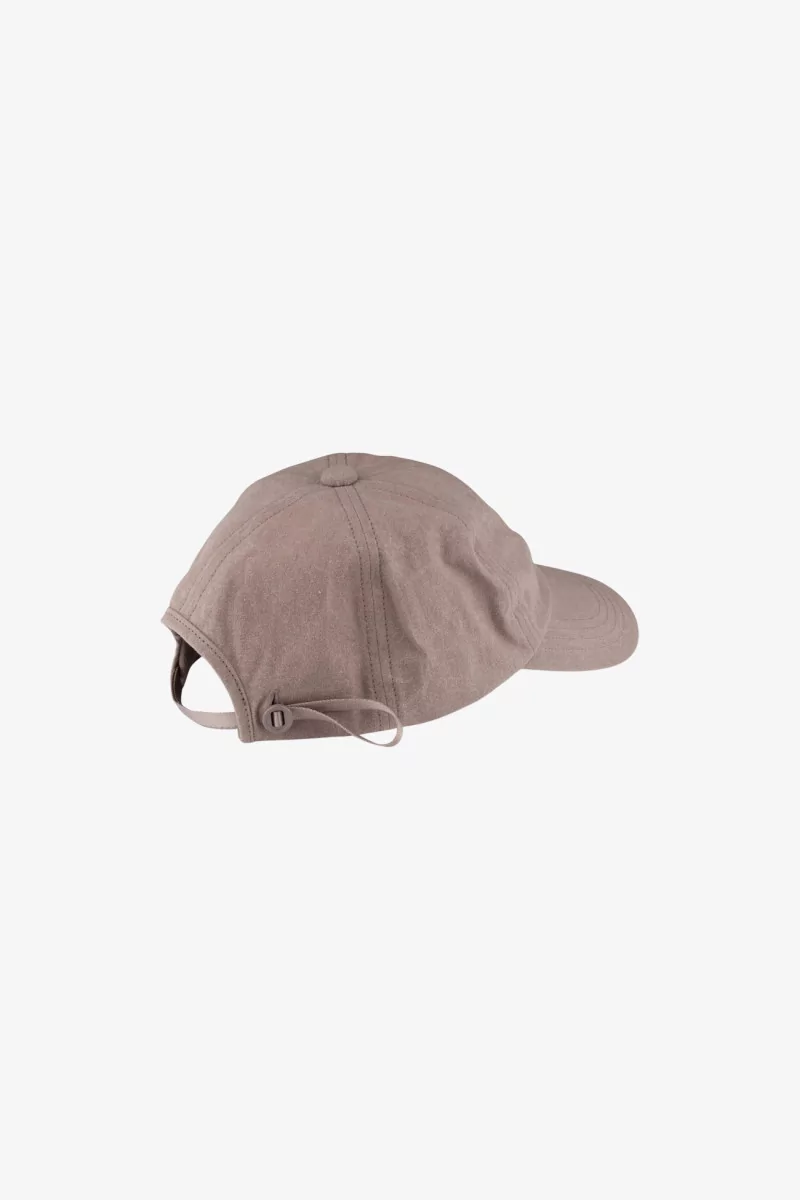
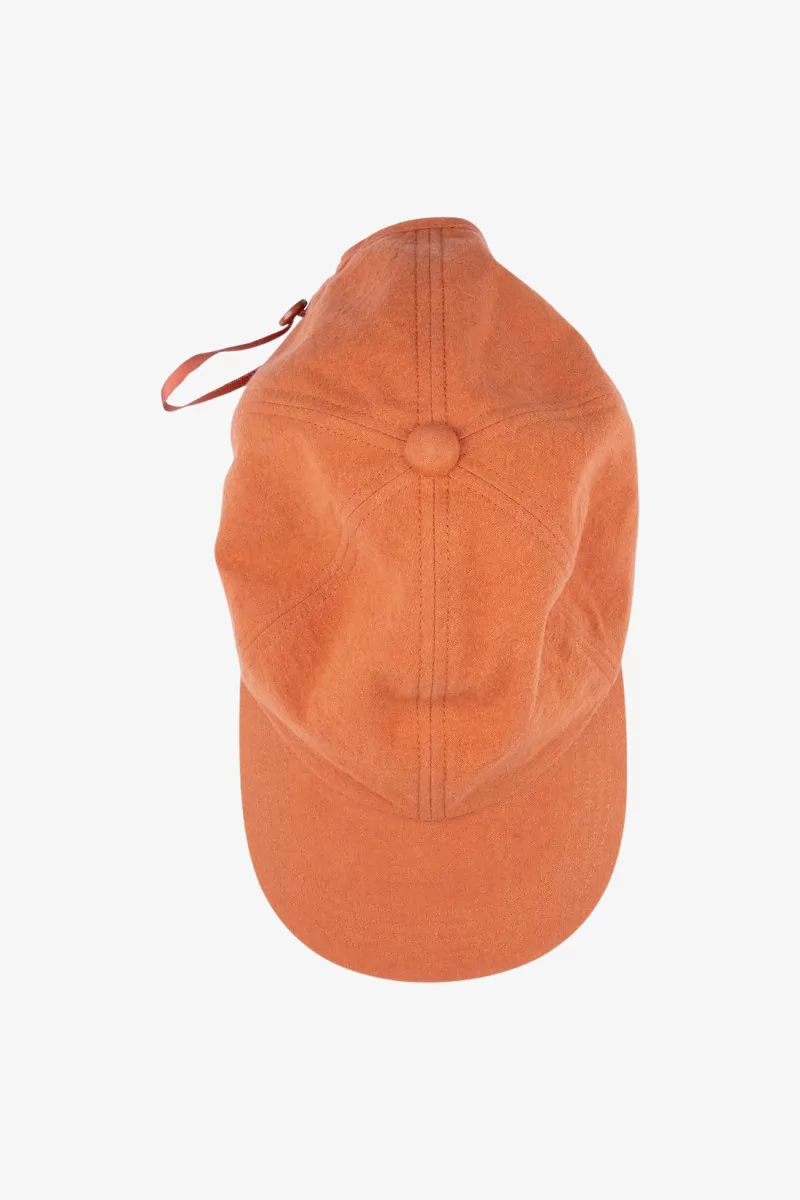
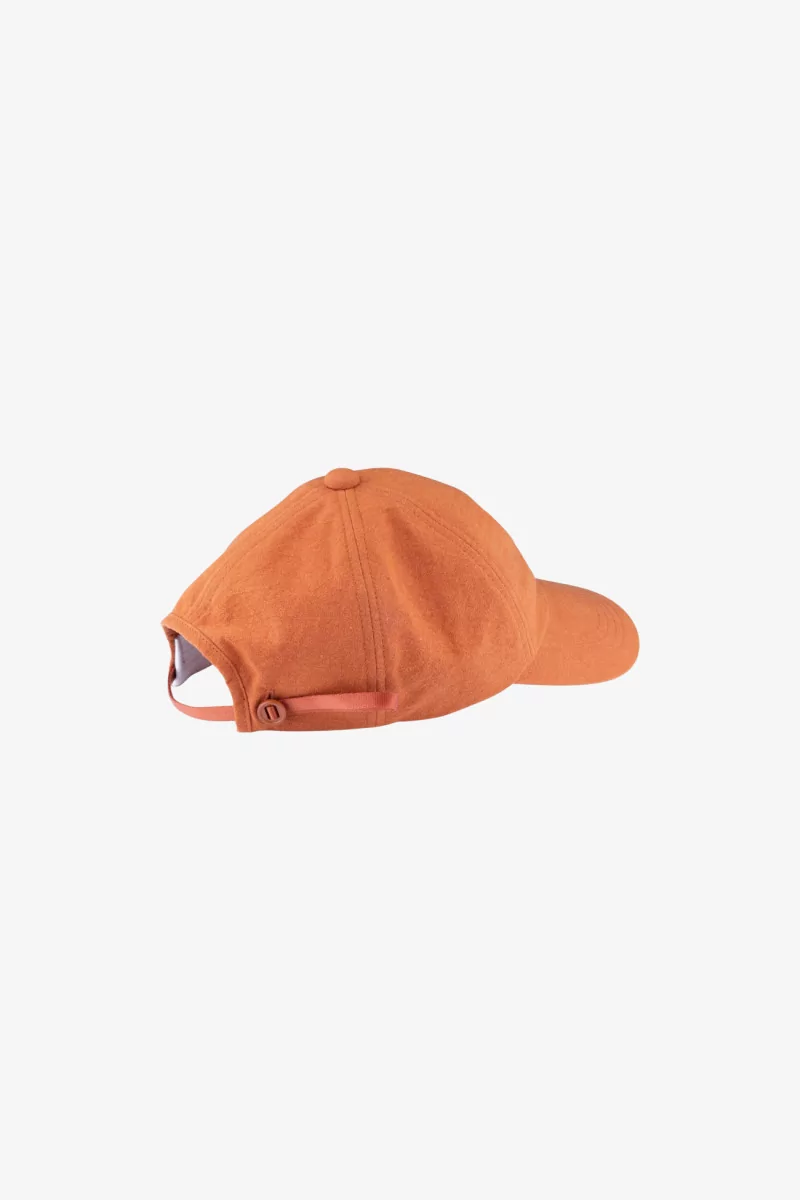
Larz : At first, it was a way to use fabric leftovers. The caps really happened because we had a small amount of fabric left over at the end of each season. We were looking for a simple product to make from these materials. Then we started experimenting with components and construction, without expecting it to become such an important item.

How do you divide the work?
Aida : It's not very defined but we kind of found our positions. Textiles and design are always done together; it’s very collaborative, always has been. Beyond that I mainly handle production and communication with the factories in Japan.
Larz : I focus more on wholesale and communication but we obviously have other people helping us. We talk to every textile provider, supplier, dye company all of them directly, it’s a big network.
What have been the main challenges?
Larz : At the beginning, it was about explaining what we were doing and our point of view. Today, the challenges are more related to production and managing the structure.
The people working in factories are getting tired and they’re getting old and the next generation is not really there. You see it in textile mills and sewing factories alike. The business is still there, the customers are still there but the people behind the machines are becoming harder to find. There are no young people saying « I’m going to start a new factory. » I remember looking at the website of a leather tanning company we work with in Japan and suddenly they had this campaign showing all the men who work there dressed in rockabilly-style denim and leather, with slicked-back hair, walking through the factory like a band. They were trying to make it look like a cool place to work to attract younger people. Because in the end, that’s the most important thing for them.


What’s the future for Man-tle?
Aida : We’re opening a store in Melbourne, which is a significant step. But our focus remains the same: continuing to develop original textiles. Today, many brands talk about “Japanese fabric.” For us, that’s no longer enough. What matters is understanding every step, mastering the processes and pushing the material further.
Larz : The part we enjoy the most is spending time with the mills, developing new fabrics and discovering new things. Every year we rent a car and drive from mill to mill for a few weeks that’s probably the most fun part of the year for me.
Aida : It might sound a bit cheesy, but we’re trying to be more careful with what we do because we care about the environment. We’ve cut out a lot of fabrics that aren’t natural. Materials like nylon, for example, we only use when there’s a real reason for it : when the function actually requires it. Otherwise, we don’t use it just for design. For us, the most important thing is making products that last a long time. The shapes are quite timeless, the colours as well, so you don’t feel the need to replace them. That’s really how we think about transparency: making things that people keep and wear for years.
At the same time, we’ve been changing a lot in the way we work: the fabrics we develop, the way products are packaged and transported. Developing more original fabrics is also part of that process, because when we make them ourselves we understand exactly where everything comes from. If you just buy a fabric, you often have no idea where the fibres come from, how it was dyed or what machines were used to weave it.
So step by step, we’re trying to move in that direction.